Acne Scar Removal. Restructured.
Acne scars are not a single problem — they are three distinct structural problems each requiring a different solution. Ice pick scars, rolling scars, and boxcar scars form through different mechanisms at different depths. Treating all three with the same protocol produces partial results at best. At Couture Dermatology, every acne scar programme begins with morphological assessment — mapping which scar types are present before selecting the modality combination that addresses each one correctly.
optimal improvement
improvement range
dermatologist
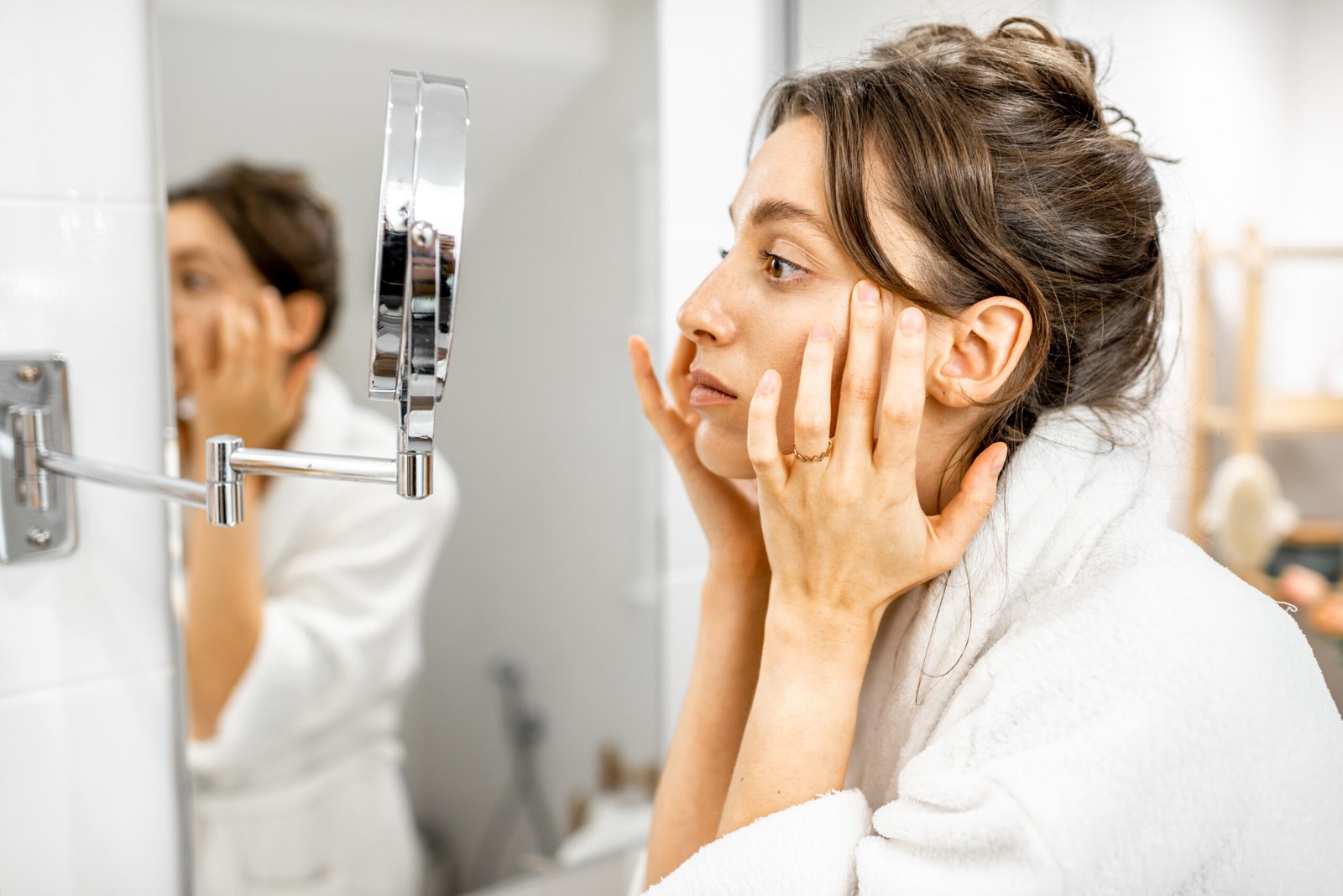
"Acne scars are structural — they require structural solutions, not surface-level resurfacing alone."
Why Acne Scars Form—
And Why Type Matters
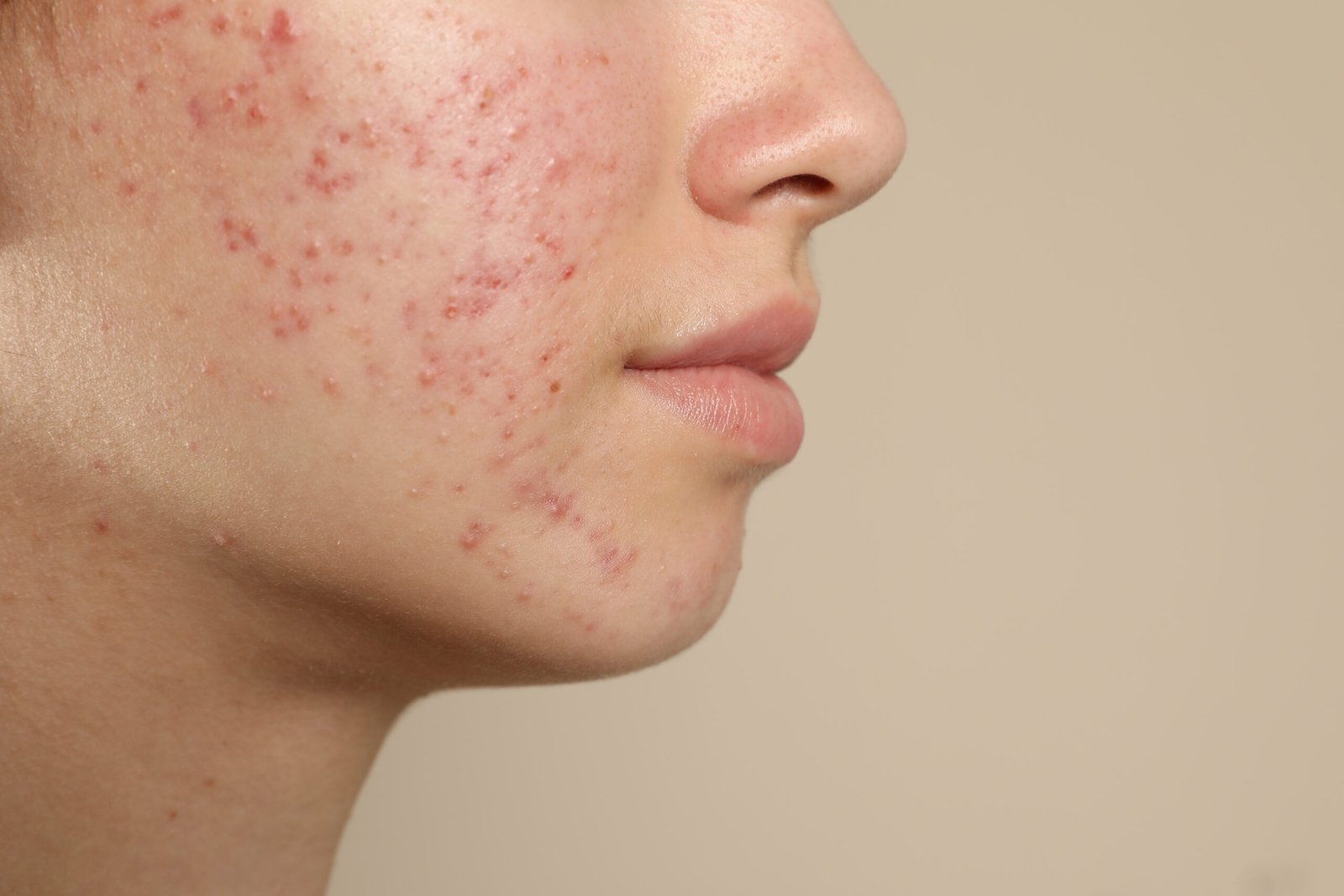
Acne scars form when moderate to severe inflammatory acne damages the dermis — the structural layer of the skin below the surface. When the body attempts to repair this damage, it either produces insufficient collagen (resulting in a depression) or too much (resulting in a raised scar). The depth, shape, and mechanism of each scar determine how it will respond to treatment.
Treating all acne scars with a single modality — regardless of type — is the most common reason patients are disappointed with scar treatment results. Fractional laser that significantly improves rolling and boxcar scars has limited effect on deep ice pick scars. Subcision that releases tethered rolling scars does nothing for the sharp walls of boxcar scars. An accurate morphological assessment before treatment is not a formality — it is the entire basis of an effective programme.
At Couture Dermatology, active acne is managed concurrently for patients still experiencing breakouts. Treating scars while new acne continues to form both undermines results and risks post-inflammatory hyperpigmentation from laser or microneedling over active lesions.
Three Scar Types.
Three Different Solutions.
Effective acne scar treatment begins with correctly identifying which types are present. Each has a different structural mechanism — and each responds to a different treatment approach.
Ice Pick Scars
Deep · Narrow · V-Shaped
Ice pick scars are deep, narrow channels that extend from the skin surface down into the dermis — sometimes reaching the subcutaneous tissue. They are wider at the top and taper to a point, creating a punched-out appearance. They form from cystic acne where the follicular wall ruptures and the skin heals inward rather than outward. Ice pick scars are the most difficult type to treat because their depth makes surface resurfacing largely ineffective — the scar continues below the level that laser or microneedling reaches.
Rolling Scars
Broad · Shallow · Tethered
Rolling scars are broad, shallow depressions with sloping, indistinct edges that create a wave-like, uneven skin surface. They form when fibrous bands of tissue develop between the dermis and the subcutaneous fat beneath — physically tethering the skin surface downward and preventing it from lying flat. The key structural problem is not a surface texture issue but a subdermal anchoring issue: the skin is being pulled down from below. This is why surface resurfacing produces limited improvement for rolling scars unless the underlying tethering is released first.
Boxcar Scars
Round · Sharp Walls · Variable Depth
Boxcar scars are round or oval depressions with sharply defined vertical walls — the characteristic punched-out appearance seen most commonly on the cheeks and temples. They form when inflammatory acne destroys collagen in a defined area, leaving a crater with distinct edges. Shallow boxcar scars respond well to fractional laser resurfacing and microneedling with RF, which stimulate new collagen to fill the depression progressively. Deep boxcar scars require filler placed within the scar or punch excision for adequate improvement.
How Your Scar Programme
Is Designed
Acne scar treatment is a sequenced programme — different modalities addressing different scar types in the correct order for maximum structural improvement.
Scar Assessment
Your board-certified FAAD dermatologist maps the distribution and morphology of each scar — classifying ice pick, rolling, and boxcar scars individually across each facial zone. Active acne status is evaluated. Fitzpatrick skin type is classified for safe laser parameter selection. The treatment programme is built from the scar map — not from a standard menu.
Included at every visitActive Acne Control
For patients with ongoing breakouts, concurrent medical acne management begins before scar treatment. Prescription topical or oral therapy controls active lesions, preventing new scar formation during the programme and eliminating the risk of post-inflammatory hyperpigmentation from resurfacing over active acne. No scar treatment begins while significant active acne is present.
Before resurfacing beginsTreatment Sessions
Sessions are sequenced based on the scar programme: subcision for rolling scars may be performed first to release tethering before laser; TCA cross for ice pick scars may be scheduled separately. Fractional laser, microneedling RF, and filler are typically combined within a session. Full topical anaesthetic is applied. Sessions take 30–60 minutes. 4–6 week intervals allow collagen remodelling between sessions.
30–60 minutes · 4–6 week intervalsRecovery & Results
Ablative fractional laser produces 5–10 days of redness and shedding. Non-ablative fractional and microneedling RF produce 2–5 days of redness. Subcision produces localised bruising for 5–7 days. Collagen remodelling continues for 3–6 months after each session — peak improvement is assessed 3 months after the final session, not immediately after treatment.
Peak results: 3–6 months post-seriesThe Right Tool
for Each Scar Type
No single modality addresses all acne scar types effectively. These four form the clinical toolkit — combined in the combination and sequence appropriate to your specific scar morphology.
Rolling & Boxcar Scars · Surface Resurfacing
Fractional Laser Resurfacing
Fractional laser creates controlled columns of thermal injury in the dermis — triggering an intensive wound-healing response that produces new collagen to fill atrophic depressions from below. Ablative fractional laser (CO₂ or Er:YAG) removes the epidermis within each micro-column for the most significant per-session improvement, with 5–10 days downtime. Non-ablative fractional laser preserves the epidermis for less downtime per session, requiring more sessions. The platform and fluence are calibrated to the scar depth and Fitzpatrick skin type. Most patients see significant improvement after each session as new collagen progressively fills scar depressions — peak results at 3–6 months post-treatment.
Rolling & Boxcar Scars · All Skin Types
Microneedling with Radiofrequency
Microneedling with radiofrequency (RF) delivers fractional RF energy directly into the dermis at a precisely controlled depth via insulated microneedles — triggering collagen and elastin remodelling in the target tissue layer. The combined mechanical and thermal stimulus produces collagen induction with significantly less epidermal injury than ablative laser — making it the preferred modality for patients with darker skin tones (Fitzpatrick IV–VI) where ablative laser carries higher post-inflammatory hyperpigmentation risk. Downtime is 2–5 days of redness and mild swelling. Results build progressively across a series of sessions as new collagen fills scar depressions.
Rolling Scars · Tethering Release
Subcision
Subcision addresses the primary structural problem in rolling scars — the subdermal fibrous bands that tether the skin surface downward. A fine needle is inserted beneath the scar and moved horizontally to physically sever these anchoring bands, releasing the skin from below and allowing it to rise to its natural level. The procedure also triggers a local haematoma that stimulates collagen formation in the released space. Subcision is performed before laser or microneedling sessions for rolling scars — resurfacing without prior subcision produces limited improvement because the surface remains tethered regardless of how much collagen is induced above. Recovery involves localised bruising for 5–7 days.
Deep Boxcar & Rolling Scars · Volume
Dermal Filler for Scars
Hyaluronic acid dermal filler placed within individual deep boxcar or rolling scar depressions provides immediate volumetric correction — lifting the scar base from below to create a smoother skin surface. Filler is most effective for scars with a broad enough base to hold the injected volume. Results are immediate and last 6–12 months depending on the product and the degree of tissue movement in the area. Filler for scars is most often combined with laser or microneedling RF within the same programme — addressing volume deficit while laser and microneedling address the surrounding skin quality and texture.
Board-Certified FAAD
Every scar assessment and treatment programme designed and delivered personally by a board-certified Fellow of the American Academy of Dermatology
Morphological Scar Classification
Ice pick, rolling, and boxcar scars identified individually before any treatment is selected — no one-size-fits-all resurfacing protocol
Active Acne Managed First
Concurrent medical acne control before and during the scar programme — no resurfacing over active lesions, no new scars forming during treatment
9735 Wilshire Blvd, Suite 216
Beverly Hills, CA 90212 · (310) 444-0946 · Mon–Fri 9 AM–6 PM
Skin That Reads
As Smooth Again.
The goal of acne scar treatment is not perfection — it is a skin surface that no longer dominates the face, no longer requires heavy coverage, and reads as smooth in normal social lighting.
Scar Depressions Significantly Reduced
New collagen induced by fractional laser and microneedling RF progressively fills atrophic scar depressions from below — reducing depth, softening edges, and smoothing the skin surface across a series of sessions. Most patients achieve 50–80% improvement in scar appearance.
Rolling Scars Released and Lifted
Subcision releases the fibrous subdermal tethering responsible for the wave-like depression of rolling scars — allowing the skin to rise to its natural level. Combined with laser and filler, this produces a flattening and smoothing of the rolling scar contour that surface resurfacing alone cannot achieve.
Overall Skin Quality Improved
Fractional laser and microneedling RF improve not only the individual scars but the surrounding skin — reducing pore size, improving tone, and producing the overall skin quality improvement that makes scar treatment results look comprehensive rather than spot-treated.
Safe Across All Skin Tones
Microneedling with RF and non-ablative fractional laser deliver significant scar improvement for patients with darker skin tones (Fitzpatrick IV–VI) without the post-inflammatory hyperpigmentation risk of ablative laser at inappropriate settings. Every protocol is calibrated for the individual's confirmed skin type.
Results That Continue to Improve
Unlike surface-only treatments where results are immediate and static, the collagen remodelling triggered by fractional laser and microneedling RF continues for 3–6 months after each session. Skin continues to improve between sessions — and peak results are assessed 3 months after the final session, not the morning after treatment.
Is Acne Scar
Treatment Right for You?
Honest expectations for acne scar treatment
Complete scar removal is not a realistic outcome for established atrophic acne scars. Deep ice pick scars, severe rolling scarring, and deep boxcar scars represent permanent structural changes in the dermis — the goal of treatment is significant, visible improvement (typically 50–80%) rather than elimination.
The most important single factor in outcome is the accuracy of the initial assessment — identifying each scar type correctly and selecting the modalities that address that specific type. A programme that correctly identifies rolling scars and prioritises subcision before laser will outperform a programme that applies more laser sessions to tethered skin that cannot respond to surface resurfacing alone.
Treatments That Work
Alongside Scar Removal
Acne scar treatment addresses the structural scarring. These treatments address the surrounding skin quality, pigmentation, and active acne that contextualise the result.
Lasers & Lights
Laser Skin Resurfacing
Full-face fractional laser resurfacing addresses overall skin quality — pore size, texture, fine lines — in the skin surrounding the scar-treated areas, producing a comprehensive surface improvement that makes the scar treatment result look natural and complete.
Explore laser resurfacing →Lasers & Lights
Hyperpigmentation Correction
Post-inflammatory hyperpigmentation — the dark marks left alongside or after acne scars — is addressed concurrently with the scar programme using prescription topicals, chemical peels, and conservative laser calibrated to skin type.
Explore hyperpigmentation correction →Skin Treatments
Microneedling
Standalone microneedling for patients with milder texture and scarring or as a maintenance treatment between fractional laser sessions — collagen induction for overall skin quality with minimal downtime.
Explore microneedling →Lasers & Lights
Melasma Treatment
For patients with both acne scarring and melasma — a common combination — a coordinated programme addresses the structural scarring and the hormonal pigmentation simultaneously with appropriate modality sequencing for each concern.
Explore melasma treatment →Scar Treatment That
Starts With Correct Diagnosis.
Most acne scar treatment programmes fail to fully deliver because they begin with a treatment rather than an assessment. Ice pick, rolling, and boxcar scars require different modalities — applied in the correct sequence. At Couture Dermatology, your board-certified FAAD dermatologist maps your scar morphology before selecting a single treatment, ensuring the programme addresses each scar type structurally rather than treating all scars as a surface problem.
Frequently
Asked Questions
Direct answers to the questions acne scar patients most commonly bring to consultation — on scar types, treatment options, timelines, and realistic outcomes.
Acne scars are classified into three main atrophic types, each requiring a different treatment approach. Ice pick scars are deep, narrow, V-shaped scars extending into the dermis — they require TCA cross or punch excision. Rolling scars are broad, shallow depressions caused by fibrous bands tethering the skin to underlying tissue — subcision releases these bands, and fractional laser improves the surface. Boxcar scars are round or oval depressions with sharp vertical walls — fractional laser and microneedling with RF produce the best improvement. Hypertrophic and keloid scars are raised rather than depressed and are treated with corticosteroid injections and laser.
Yes — active acne must be controlled before scar treatment begins. Treating scars while active breakouts continue creates new scars during the treatment programme, undermining results. Laser or microneedling over active acne lesions can spread bacteria and trigger post-inflammatory hyperpigmentation. At Couture Dermatology, patients with active acne are assessed for concurrent medical acne management alongside their scar treatment programme.
Most patients require 3–6 sessions spaced 4–6 weeks apart, depending on scar severity, depth, and the treatment modalities used. Significant improvement is visible after each session as collagen remodelling progresses, with peak results typically 3–6 months after the final session. Ice pick scars treated with TCA cross may require separate sessions. Some patients with severe scarring continue beyond 6 sessions for maximum improvement.
Downtime depends on the modality. Ablative fractional laser produces 5–10 days of redness, swelling, and skin shedding. Non-ablative fractional laser and microneedling with RF produce 2–5 days of redness and minor swelling. Subcision produces localised bruising for 5–7 days. Filler for acne scars has minimal downtime. Your dermatologist will discuss the downtime-versus-results trade-off for your specific scar types at consultation.
Complete removal is not a realistic expectation for most established atrophic acne scars — significant and visible improvement is. Fractional laser, microneedling with RF, subcision, and filler can collectively produce 50–80% improvement in scar appearance in most patients, resulting in skin that reads as smooth and even in normal lighting. Scars do not disappear entirely; the goal is a skin surface that no longer draws the eye or requires heavy foundation coverage to conceal.
Yes — but the approach must be calibrated for the patient's Fitzpatrick skin type. Ablative fractional laser carries a higher risk of post-inflammatory hyperpigmentation in darker skin tones (Fitzpatrick IV–VI), making non-ablative fractional laser, microneedling with RF, subcision, and filler the preferred combination for these patients. At Couture Dermatology, skin type is assessed at every consultation and treatment parameters are set accordingly.