

Melasma
Treatment.
Managed.
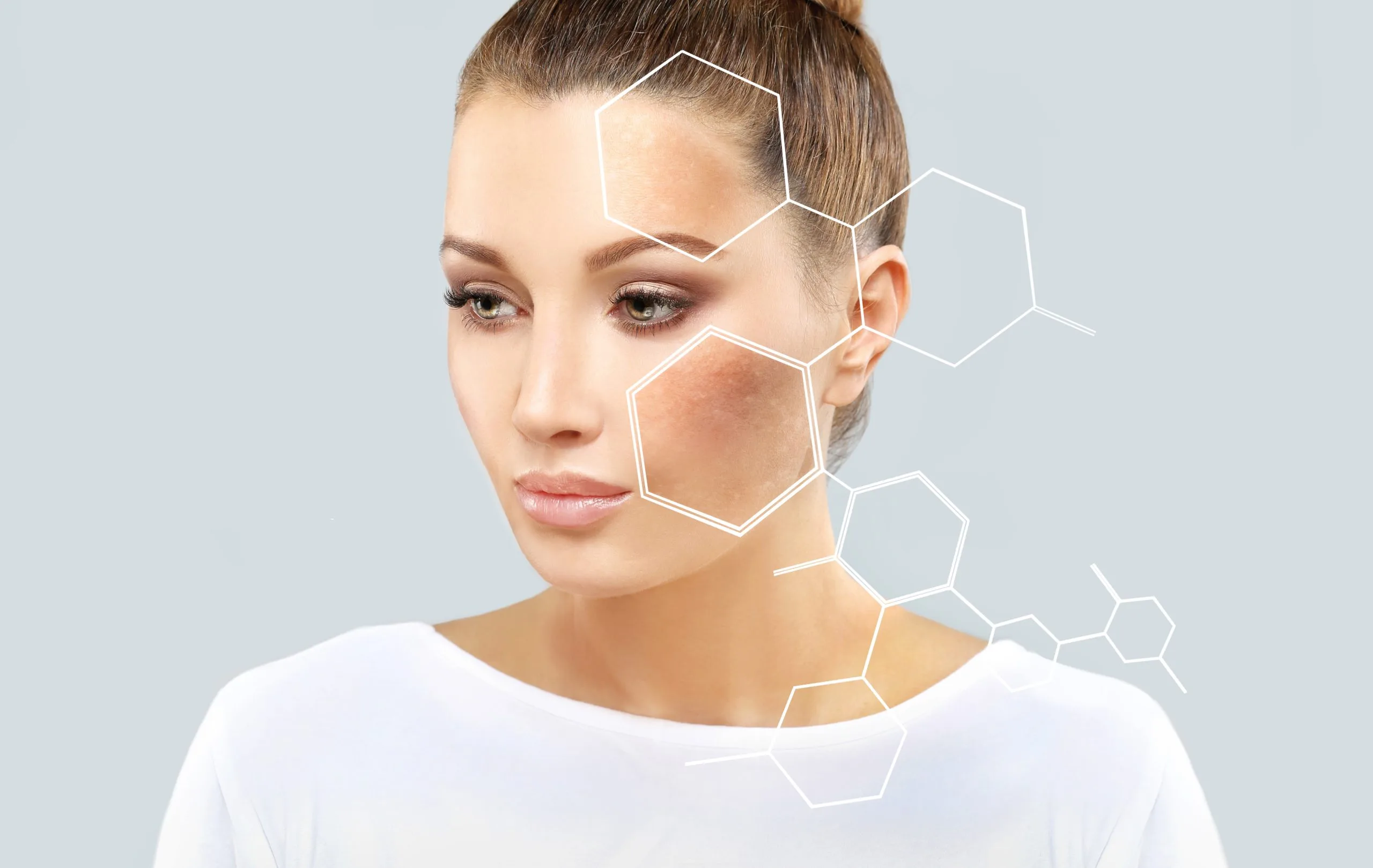
Melasma is a chronic, hormonally-driven pigmentation condition — not a surface discolouration that a brightening serum can resolve. The symmetrical brown patches on the forehead, cheeks, and upper lip have a dermal component and a persistent trigger that require clinical management, not a single treatment. At Couture Dermatology, every melasma programme is designed individually, starting with Fitzpatrick skin type assessment and a clear-eyed understanding of what melasma management can realistically achieve.
typical programme
non-negotiable
dermatologist
"Melasma is not a skin condition you treat once. It is one you manage — and manage well."
A Chronic Condition.
Clinically Managed.
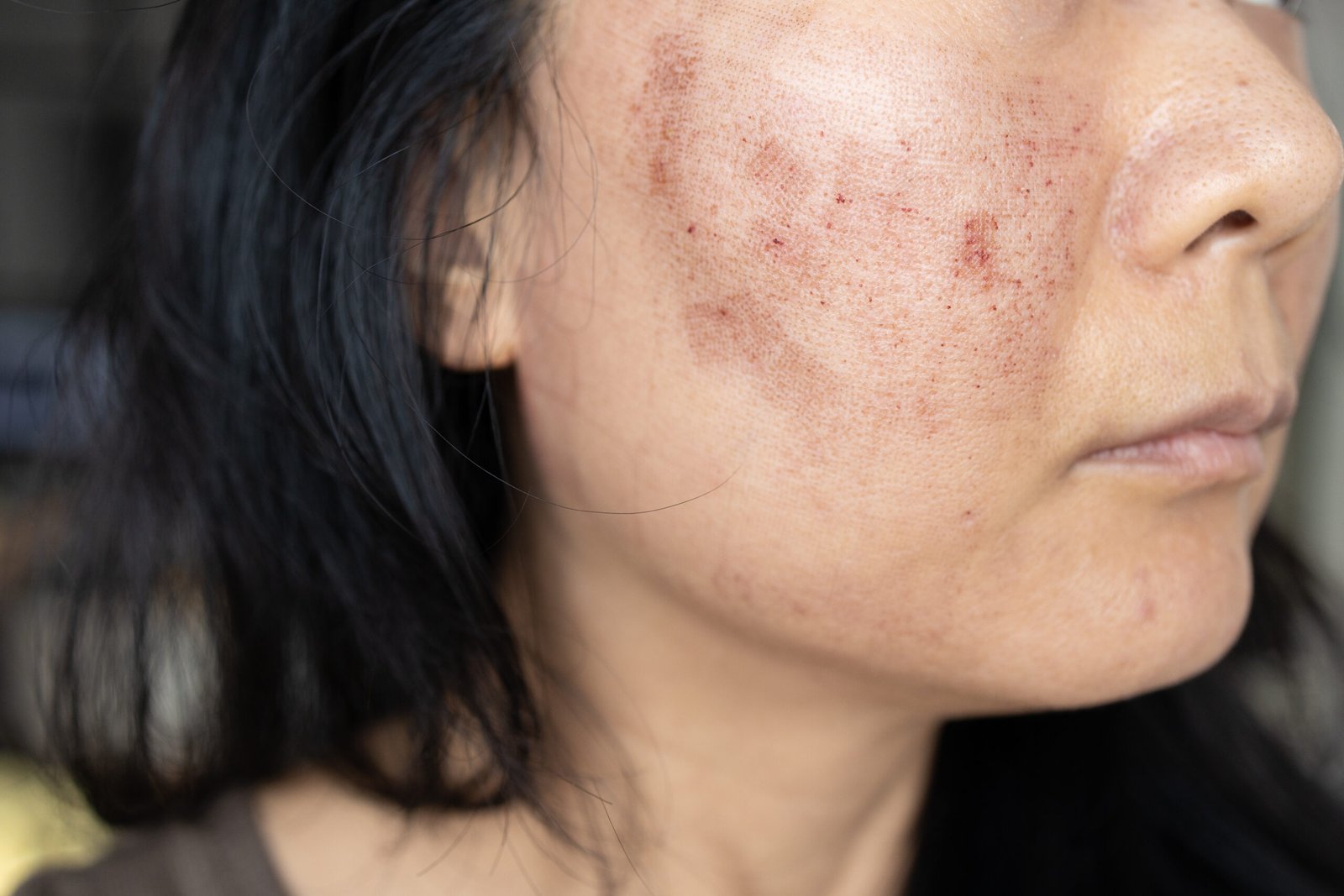
Melasma is a hormonally-driven pigmentation condition characterised by symmetric brown or grey-brown patches — most commonly on the forehead, cheeks, upper lip, temples, and nose. It is triggered by oestrogen and progesterone fluctuations, which overstimulate melanocytes into producing excess melanin. UV exposure significantly amplifies this effect, which is why the patches typically worsen in summer and after sun exposure.
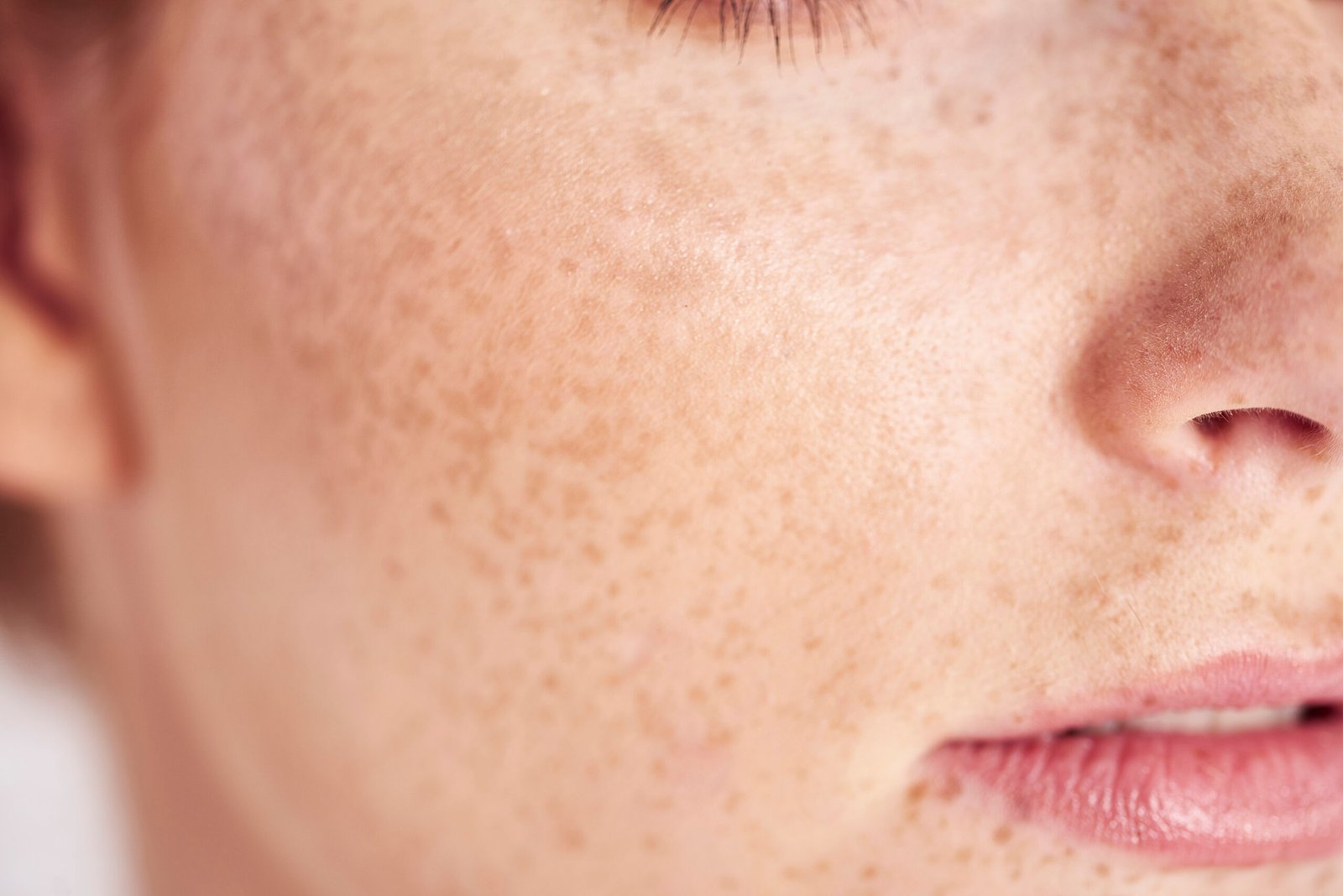
Unlike UV-induced solar lentigines — which are epidermal, discretely demarcated, and respond predictably to laser — melasma has a dermal component in many cases, making it significantly harder to clear. The pigment sits deeper, and the hormonal stimulus driving it does not simply disappear after treatment. This is why patients who have been treated for melasma at other practices with aggressive laser settings often return with paradoxically darker patches: the inflammatory stimulus from inappropriate treatment triggers more melanin production in already-reactive skin.
At Couture Dermatology, melasma management begins with an honest conversation about what clinical treatment can achieve — and what it requires from the patient in terms of ongoing commitment to sun protection and maintenance.
How a Melasma Programme
Is Designed
Melasma treatment is a programme, not a procedure. Every step is sequenced to maximise the clinical result while protecting the skin from treatment-triggered worsening.
Assessment & Skin Typing
Your board-certified FAAD dermatologist evaluates the distribution, depth, and hormonal trigger of your melasma. Fitzpatrick skin type is classified — this determines safe laser fluence. Epidermal versus dermal pigment involvement is assessed clinically, as dermal melasma requires a longer, more conservative programme. Contraceptive use, pregnancy history, and sun exposure habits are discussed.
Included at every visitTopical Priming
A prescription topical priming protocol — typically hydroquinone 4% and a retinoid — is applied nightly for 4–6 weeks before the first laser or peel session. This suppresses baseline melanocyte activity, reducing the risk of post-treatment hyperpigmentation. Pre-treatment priming is not optional — it is the step most responsible for safe, effective melasma laser outcomes.
4–6 weeks before laserClinical Treatment
Conservative laser parameters are applied — lower fluence, appropriate wavelength — to avoid triggering inflammatory hyperpigmentation in reactive melanocytes. Q-switched Nd:YAG laser and low-fluence fractional platforms are preferred over ablative approaches for melasma. Chemical peel sessions may be alternated with laser for patients where peels are better tolerated or more appropriate for skin type. Sessions take 20–40 minutes.
20–40 minutes · 3–6 sessionsMaintenance & SPF
After each session, treated areas may darken and shed over 7–14 days — strict SPF 50+ is mandatory from the first day post-treatment. Prescription topical maintenance resumes after recovery. Maintenance clinical sessions — every 3–6 months — sustain the improvement achieved. Daily broad-spectrum SPF 50+ is required indefinitely. This is not an adjunct; it is the most important single step in long-term melasma management.
Indefinite SPF 50+ dailyThe Components of
Effective Melasma Management
Melasma cannot be adequately managed with a single modality. Every effective programme combines all three components — each addressing a different dimension of the condition.
Prescription Topical Depigmentation
Tyrosinase inhibitors suppress melanocyte activity at the cellular level — the only intervention that addresses the hormonal melanin stimulus directly at its point of production. Hydroquinone 4% is the most clinically validated agent and the cornerstone of every melasma protocol. Tranexamic acid interrupts the keratinocyte-to-melanocyte signalling pathway specifically implicated in melasma. Azelaic acid provides alternative, gentler inhibition for long-term maintenance with a lower side-effect profile. Retinoids accelerate epidermal turnover, improving penetration of depigmenting agents and contributing directly to pigment reduction. These are prescribed; over-the-counter brightening products do not achieve the same clinical effect.
Conservative Laser & Chemical Peels
Clinical sessions accelerate the clearance of existing pigmentation beyond what topicals alone can achieve — but only when delivered with conservative parameters calibrated to the patient's skin type and melasma depth. Q-switched Nd:YAG laser delivers selective energy to melanin with minimal surrounding tissue thermal injury, making it the safest laser choice for melasma across a wide range of skin tones. Low-fluence fractional laser is used for patients with predominantly epidermal melasma where a gentle resurfacing effect improves overall skin quality alongside pigmentation. Superficial to medium-depth chemical peels — glycolic, salicylic, Jessner's, or low-concentration TCA — are preferred for patients with deeper skin tones or melasma where laser carries higher paradoxical pigmentation risk. Sessions are separated by 4–6 weeks to allow full recovery and reassessment.
Daily Broad-Spectrum SPF 50+
UV radiation is the primary environmental trigger for melanocyte overactivation in melasma — and the most common reason melasma recurs after treatment. A single day of meaningful sun exposure on recently treated skin can reverse weeks of clinical progress. Broad-spectrum SPF 50+ — protecting against both UVA and UVB — must be applied every morning without exception, reapplied after sweating or washing, and used year-round regardless of season, cloud cover, or predominantly indoor days. Visible light (particularly high-energy visible or HEV light) can also trigger melasma in susceptible patients; for patients with recalcitrant melasma, iron oxide-containing tinted SPF provides additional protection against this wavelength range. Patients who cannot commit to this requirement are not good candidates for laser melasma treatment.
Why Melasma Needs
a Different Approach
Melasma is frequently undertreated with skincare and overtreated with aggressive laser. Understanding why it behaves differently from other pigmentation is the foundation of managing it correctly.
Melasma vs. Solar Lentigines
Hormonal Pigmentation Is Not the Same as UV Spots
Solar lentigines — age spots and sun spots — are UV-induced, epidermal in depth, and discretely demarcated. They respond predictably to laser treatment, clearing in 1–3 sessions with minimal risk in appropriate skin types. Melasma is fundamentally different: it is hormonally triggered, often has a dermal component that makes it much harder to clear, and is characterised by diffuse, symmetric patches rather than discrete spots. The same laser settings that successfully clear solar lentigines can paradoxically worsen melasma by triggering inflammatory hyperpigmentation in hyperreactive melanocytes. Treating melasma like a sun spot is the most common mistake in pigmentation management.
Melasma vs. Post-Inflammatory Hyperpigmentation
A Persistent Stimulus Requires Ongoing Management
Post-inflammatory hyperpigmentation (PIH) — the dark marks left after acne, eczema, or skin injury — gradually fades once the inflammatory trigger is resolved. Treatment accelerates clearance, but the underlying stimulus is no longer active. Melasma has an ongoing hormonal stimulus that does not resolve on its own while the trigger persists. This is what makes melasma a management condition rather than a treatment-and-done condition. Patients on oral contraceptives or oestrogen therapy who are unwilling to consider alternatives may find that even well-executed treatment produces limited results, because the melanocyte stimulus is continuously reinforced by circulating hormones.
The Paradoxical Darkening Risk
Why Aggressive Laser Makes Melasma Worse
The melanocytes responsible for melasma are constitutively hyperreactive — primed to produce more melanin than normal when any stimulus is applied. Aggressive laser treatment creates a thermal and inflammatory stimulus that can trigger exactly this response, producing post-inflammatory hyperpigmentation on top of the existing melasma. This is why conservative laser parameters — lower fluence, appropriate wavelength, full topical priming beforehand — are not optional for melasma. They are the difference between treatment that works and treatment that makes things significantly worse. At Couture Dermatology, no laser session for melasma begins without confirmed skin type and completed priming protocol.
The Role of Visible Light
UVA and UVB Are Not the Only Triggers
Standard broad-spectrum sunscreens protect against UVA and UVB radiation — the primary UV triggers for melasma. However, research increasingly suggests that high-energy visible light (HEV or blue light) — emitted by screens, indoor lighting, and the visible portion of sunlight — can also trigger melanogenesis in melasma-prone skin, particularly in patients with Fitzpatrick types IV–VI. For patients with persistent or recalcitrant melasma despite consistent SPF use, a tinted sunscreen containing iron oxide provides additional protection against this visible wavelength range. Your dermatologist will discuss this at consultation if relevant to your presentation.
Board-Certified FAAD
Every melasma programme designed and delivered personally by a board-certified Fellow of the American Academy of Dermatology
Mandatory Pre-Treatment Priming
Topical priming protocol completed before every laser session — the step most responsible for preventing paradoxical pigmentation
Conservative Laser Parameters
Skin type confirmed before every session; fluence and wavelength set conservatively for melasma — not adapted from a solar lentigines protocol
9735 Wilshire Blvd, Suite 216
Beverly Hills, CA 90212 · (310) 444-0946 · Mon–Fri 9 AM–6 PM
Is Melasma Treatment
Right for You?
Honest expectations for melasma treatment
Melasma is a chronic condition. Clinical treatment can produce significant and visible improvement — reducing or eliminating the appearance of patches during the programme and for as long as maintenance is maintained. But it does not permanently eliminate the underlying melanocyte hyperreactivity. Patients who stop SPF, resume hormonal triggers without management, or skip maintenance sessions will typically see recurrence.
Patients currently taking oral contraceptives or oestrogen therapy may find clinical results limited by the ongoing hormonal stimulus. This is discussed honestly at consultation — not after several sessions have been completed. The goal at Couture Dermatology is a programme you understand fully before it begins.
Treatments That Work
Alongside Melasma Management
Melasma management addresses hormonal pigmentation. These treatments address the skin surface and other pigmentation concerns around it.
Lasers & Lights
Hyperpigmentation Correction
For patients with both melasma and other forms of pigmentation — solar lentigines, PIH, freckles — a comprehensive pigmentation correction programme addresses each type with its appropriate modality as part of a single coordinated plan.
Explore hyperpigmentation correction →Lasers & Lights
Age Spot Removal
Where UV-induced solar lentigines coexist with melasma on the face, hands, or chest, a coordinated programme treats both simultaneously — using appropriately calibrated settings for each pigmentation type in each treatment area.
Explore age spot removal →Lasers & Lights
Laser Skin Resurfacing
Where skin texture — enlarged pores, fine lines, or uneven surface quality — accompanies melasma concerns, fractional laser resurfacing can be sequenced with the melasma programme to address both dimensions of skin quality simultaneously.
Explore laser resurfacing →Skin Treatments
Microneedling
Microneedling with topical delivery can be used alongside the melasma programme to improve overall skin quality and enhance the penetration of prescription depigmenting agents between laser sessions — without the UV sensitivity of laser downtime.
Explore microneedling →Melasma Management
That Is Honest From the Start.
Melasma is one of the most commonly mismanaged skin conditions — overtreated with aggressive laser, undertreated with brightening skincare, and never honestly assessed in terms of what is driving it. At Couture Dermatology, the programme begins with a frank conversation about your Fitzpatrick skin type, the depth of your pigmentation, and the hormonal factors that need to be addressed alongside clinical treatment.
Frequently
Asked Questions
Direct answers to the questions melasma patients most commonly bring to consultation — on what the condition is, how it is treated, and what to honestly expect.
Melasma is a chronic, hormonally-driven pigmentation condition characterised by symmetric brown or grey-brown patches on the forehead, cheeks, upper lip, temples, and nose. It is triggered by hormonal fluctuations — from pregnancy, oral contraceptives, or hormonal therapy — and significantly worsened by UV exposure, which stimulates melanocyte overactivation. Unlike UV-induced age spots, melasma has a dermal component in many cases and a persistent hormonal stimulus that makes it prone to recurrence after treatment.
Melasma is a chronic condition — it can be significantly improved and well-managed but not permanently cured. The hormonal stimulus driving melanocyte overactivation persists as long as the trigger is present. Patients who stop hormonal contraceptives, or whose pregnancy-related melasma fades postpartum, may see significant natural improvement. For others, ongoing management — consistent SPF 50+, prescription topicals, and periodic maintenance sessions — is required to keep pigmentation suppressed. With proper management, melasma can be kept at a level where it is not visibly apparent.
Yes — aggressive laser settings can trigger post-inflammatory hyperpigmentation in melasma patients, paradoxically darkening the areas being treated. This is particularly true for patients with Fitzpatrick skin types IV–VI. At Couture Dermatology, melasma is always treated with conservative laser parameters — lower fluence, appropriate wavelength — combined with a pre-treatment topical priming protocol to reduce melanocyte reactivity before the session. Q-switched Nd:YAG laser and low-fluence fractional platforms are preferred over ablative fractional approaches.
Prescription-grade topical depigmentation agents are the foundation of every melasma programme. Hydroquinone 4% is the most clinically validated tyrosinase inhibitor and the standard of care for melasma. Tranexamic acid interrupts the keratinocyte-melanocyte signalling pathway implicated specifically in melasma. Azelaic acid provides alternative tyrosinase inhibition with a lower side-effect profile for long-term maintenance. Retinoids accelerate epidermal turnover, improving penetration and contributing directly to pigment reduction. Daily broad-spectrum SPF 50+ is prescribed without exception.
Melasma typically requires 3–6 clinical sessions — laser or chemical peels — combined with an ongoing prescription topical protocol. Unlike solar lentigines, which often clear in 1–3 sessions, melasma responds more gradually. The number depends on the depth of pigmentation (epidermal vs. dermal), the patient's skin type, and how well the underlying hormonal trigger can be managed. Your dermatologist will outline the full programme and realistic timeline at consultation.
Daily broad-spectrum SPF 50+ is non-negotiable for every melasma patient — during treatment and indefinitely after. UV exposure is the primary environmental trigger for melanocyte overactivation in melasma, and even brief sun exposure can retrigger pigmentation on recently treated skin. SPF must be applied every morning without exception, reapplied after sweating or washing, and used regardless of cloud cover or indoor-predominant days. Patients who cannot commit to this are not good candidates for laser melasma treatment.