
Rosacea Treatment. Managed.
Rosacea is a chronic inflammatory skin condition — not simply sensitive skin or occasional redness. It has distinct subtypes, each driven by different mechanisms: vascular hyperreactivity producing persistent erythema and telangiectasia in one; immune-mediated inflammation producing papules and pustules in another. At Couture Dermatology, your board-certified FAAD dermatologist classifies your rosacea subtype and identifies your trigger profile before selecting any treatment — because the right approach depends entirely on which form of rosacea is present.
vascular rosacea
redness resolution
dermatologist
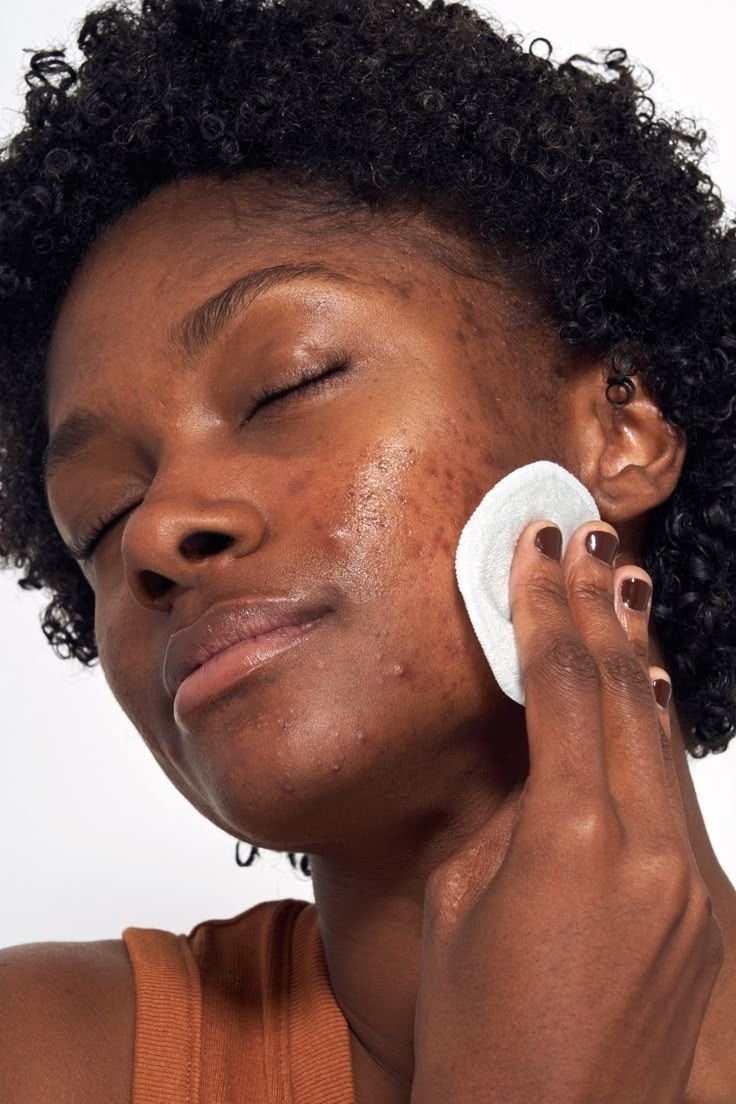
"Rosacea is managed — not cured. The goal is skin that is no longer visibly dominated by redness in daily life."
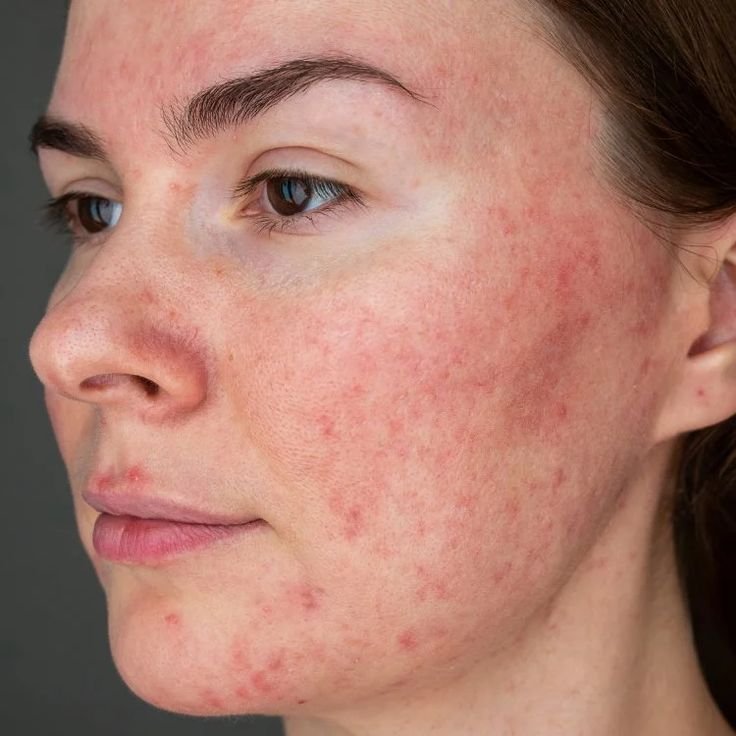
A Chronic Condition.
Correctly Classified.
Rosacea is a chronic inflammatory skin condition affecting the central face — the cheeks, nose, forehead, and chin. Its most visible feature is persistent facial redness, but rosacea encompasses a spectrum of presentations driven by different underlying mechanisms: vascular hyperreactivity, neurovascular dysregulation, immune-mediated inflammation, and in some cases, connective tissue proliferation.
It is not sensitive skin that needs gentler products. It is not acne — though the papulopustular subtype can resemble it closely enough to be misdiagnosed and mistreated. Rosacea does not resolve on its own. Without management, it typically progresses over years — flares becoming more frequent, background erythema more persistent, and visible vessels more numerous. Early, accurate management slows this progression significantly.
At Couture Dermatology, management combines clinical treatment of existing vascular and inflammatory disease with practical trigger identification — because laser and topical therapy suppress active rosacea, but trigger avoidance reduces the frequency of new flares. Both components are necessary for effective long-term control.
Four Subtypes.
Each Requires a Different Approach.
Rosacea is not a single condition — it is a family of related inflammatory presentations. Treatment selection depends on which subtype, or combination of subtypes, is present.
Erythematotelangiectatic Rosacea
ETR · Vascular SubtypeThe most common rosacea subtype — characterised by persistent central facial redness (erythema), episodic flushing triggered by heat, alcohol, exercise, stress, or UV, and progressively visible telangiectasia (dilated blood vessels) across the cheeks, nose, and chin. The skin may feel burning or stinging with topical products that do not cause irritation in non-rosacea skin. ETR is fundamentally a vascular condition: the blood vessels in affected skin are abnormally reactive, dilating in response to stimuli that would not affect normal skin and remaining dilated rather than returning to baseline. Without treatment, telangiectasia accumulates progressively, and background redness becomes more persistent over years.
Papulopustular Rosacea
PPR · Inflammatory SubtypePapulopustular rosacea presents with the persistent central facial erythema of ETR alongside inflammatory papules and pustules — the presentation most commonly mistaken for acne. The critical clinical distinction: rosacea papulopustular disease does not produce comedones (blackheads or whiteheads), which are the hallmark of acne. PPR is driven by immune-mediated inflammation — specifically, an exaggerated innate immune response to cutaneous triggers, with cathelicidin antimicrobial peptides playing a key role. Treating PPR with acne-targeted therapies (benzoyl peroxide, salicylic acid) often worsens the condition by further irritating already-compromised skin barrier function. Most PPR patients also have vascular ETR features concurrently.
Phymatous Rosacea
Tissue Overgrowth SubtypePhymatous rosacea involves progressive skin thickening and tissue overgrowth — most commonly rhinophyma (thickening of the nose), though it can affect the chin, forehead, cheeks, or ears. The sebaceous glands hypertrophy, and the connective tissue proliferates, producing a bumpy, irregular, enlarged surface texture. Rhinophyma is more common in men and represents the advanced end of rosacea progression over years without management. Early-stage phymatous changes respond to prescription topical therapy; established rhinophyma requires ablative CO₂ laser resurfacing or surgical intervention to reshape the nasal tissue.
Ocular Rosacea
Eye Involvement SubtypeOcular rosacea affects the eyes in approximately 50% of rosacea patients — often preceding or accompanying cutaneous disease. Symptoms include chronic redness of the sclera and eyelid margins, a burning or gritty sensation, sensitivity to light, and recurrent styes or chalazion. Ocular rosacea is frequently underdiagnosed because patients do not associate their eye symptoms with their facial skin condition. Untreated, it can progress to corneal involvement. At Couture Dermatology, patients presenting with rosacea are screened for ocular symptoms and referred to an ophthalmologist where indicated for co-management.
How Your Rosacea Programme
Is Structured
Rosacea management combines clinical treatment of existing vascular and inflammatory disease with a structured approach to trigger reduction — both components are required for lasting control.
Subtype Assessment
Your board-certified FAAD dermatologist classifies your rosacea subtype — ETR, papulopustular, phymatous, or a combination — and evaluates the severity of erythema, telangiectasia, and inflammatory lesions. Ocular symptoms are screened. The distinction between rosacea and acne is confirmed clinically before any treatment is selected.
Included at every visitTrigger Identification
Your primary flare triggers are identified: UV exposure, heat sources (beverages, environment, exercise), alcohol, dietary factors, skincare ingredients, stress. A practical trigger avoidance framework is discussed — not a blanket list of restrictions, but a prioritised guide to the modifications most likely to reduce your specific flare frequency. Trigger management is integrated alongside clinical treatment, not treated as an afterthought.
Personalised trigger mapClinical Treatment
Vascular laser or IPL sessions target the dilated vessels and diffuse erythema of ETR. Prescription topical therapy — azelaic acid, metronidazole, ivermectin — suppresses the inflammatory component of papulopustular disease. Oral doxycycline is prescribed at anti-inflammatory doses for moderate-to-severe PPR where topical therapy is insufficient. Sessions take 20–40 minutes with topical anaesthetic applied.
20–40 minutes · 2–4 sessionsMaintenance
After the initial treatment series, rosacea requires ongoing management to prevent gradual relapse. Maintenance vascular laser or IPL sessions every 6–12 months address new vessel formation before it accumulates to the pre-treatment level. Prescription topical maintenance continues as the long-term foundation of inflammatory disease control. The goal is stable, managed rosacea — not a cycle of severe flares followed by intensive treatment.
Maintenance every 6–12 monthsThe Right Modality
for Each Rosacea Component
Rosacea has a vascular component and, in many patients, an inflammatory component. These are treated differently — and most effective programmes combine both approaches.
ETR · Telangiectasia · Visible Vessels
Vascular Laser (PDL / Nd:YAG)
Pulsed dye laser (PDL) and long-pulsed Nd:YAG laser deliver selective photothermolysis — targeting oxyhemoglobin in the blood within dilated telangiectatic vessels. The thermal energy collapses the vessel wall; the body reabsorbs the vessel over 2–4 weeks, and the red thread disappears from the skin surface. PDL at 585–595nm is optimal for fine facial telangiectasia; Nd:YAG at 1064nm penetrates deeper for larger calibre vessels and is the safer choice for darker skin tones. Most patients see significant reduction in visible vessels after 1–3 sessions. Persistent background erythema shows progressive improvement across the series. Post-treatment redness resolves within 24–72 hours — bruising (purpura) is possible at higher fluences but fades within 7–10 days.
ETR · Diffuse Erythema · Background Redness
Intense Pulsed Light (IPL)
IPL delivers broad-spectrum light energy across a wavelength range that targets both haemoglobin (reducing redness) and melanin (improving overall skin tone). For ETR with diffuse facial erythema — where the redness is generalised rather than concentrated in discrete vessels — IPL treats the entire background redness in a full-face pass more efficiently than point-by-point vascular laser. IPL also improves skin texture and reduces mild pigmentation alongside redness, making it the preferred first-line approach for patients with diffuse erythema and a desire for general skin quality improvement. Cut-off filters are used to ensure the wavelengths delivered are appropriate for the individual's skin tone. Not appropriate for Fitzpatrick V–VI.
Papulopustular Rosacea · Inflammatory Lesions
Prescription Topical Therapy
Prescription topical agents are the cornerstone of papulopustular rosacea management. Azelaic acid 15–20% reduces inflammatory lesions through multiple mechanisms — inhibiting keratinocyte abnormalities, reducing reactive oxygen species, and suppressing inflammatory mediators — with a favourable tolerability profile. Metronidazole 0.75–1% is a well-established topical antimicrobial and anti-inflammatory agent with decades of clinical evidence in PPR. Ivermectin 1% cream (the newest prescription option) targets the Demodex mite that is implicated in rosacea inflammatory pathogenesis with superior efficacy to metronidazole in direct comparison. These are prescription-strength formulations — the over-the-counter versions found in skincare products do not deliver adequate concentrations for clinical effect.
Moderate–Severe PPR · Systemic Anti-Inflammatory
Oral Doxycycline
Oral doxycycline at sub-antimicrobial doses (40mg modified-release formulation) is prescribed for moderate-to-severe papulopustular rosacea where topical therapy alone is insufficient. At this dose, doxycycline functions as an anti-inflammatory rather than an antibiotic — inhibiting matrix metalloproteinases, reducing pro-inflammatory cytokines, and suppressing neutrophil function in the skin without the antibiotic selection pressure that drives bacterial resistance. It is not targeting bacterial infection; rosacea is not a bacterial disease. A typical course runs 12–16 weeks alongside prescription topical therapy, with the oral component then discontinued while topical maintenance continues. Response is typically seen within 4–8 weeks of starting.
Identifying What
Drives Your Flares
Clinical treatment suppresses existing rosacea. Trigger identification reduces new flare frequency. Both components are essential — managing one without the other produces only partial control.
UV Exposure
The most consistent rosacea trigger across all subtypes. UV radiation directly activates inflammatory pathways in rosacea-prone skin. Daily broad-spectrum SPF 50+ is non-negotiable — physical mineral formulations (zinc oxide, titanium dioxide) are better tolerated than chemical filters on compromised rosacea skin.
Heat & Temperature
Hot beverages, hot showers, saunas, heated environments, and vigorous exercise all trigger vascular dilation in ETR. Cooling beverages and rooms, and substituting hot drinks for room-temperature alternatives, are practical interventions that significantly reduce flushing frequency for ETR patients.
Alcohol
Red wine is the most potent alcohol trigger — containing histamine and tannins that compound the vascular trigger beyond alcohol's direct vasodilatory effect. Many rosacea patients tolerate clear spirits better than red wine. Any alcohol can trigger flushing; the question is degree of individual reactivity.
Skincare Irritants
Rosacea skin has compromised barrier function — alcohol-based toners, fragranced products, exfoliating acids (AHAs, BHAs), retinoids at full strength, and physical scrubs all trigger burning, flushing, and flares. A rosacea-appropriate skincare routine is discussed at consultation: gentle cleanser, barrier-supportive moisturiser, mineral SPF, and prescription topicals only.
Spicy Food & Diet
Spicy food triggers neurogenic flushing via capsaicin — activating TRPV1 receptors in facial skin vasculature. Cinnamaldehyde (cinnamon), niacin (liver, chicken, certain fish), and high-histamine foods (aged cheeses, fermented products) are secondary dietary triggers that vary significantly in their relevance between individual patients.
Emotional Stress
Psychological stress and emotional flushing trigger catecholamine release that activates the same vascular pathway as physical heat. The clinical relevance varies between patients — those who identify stress as a primary trigger may benefit from targeted management strategies, which are discussed at consultation alongside the dermatological programme.
Board-Certified FAAD
Every rosacea programme designed and delivered personally by a board-certified Fellow of the American Academy of Dermatology
Subtype Classification
ETR, papulopustular, phymatous, and ocular subtypes identified individually — rosacea is not treated as a single condition requiring a single approach
Trigger Management Integrated
Personalised trigger identification built into every programme — clinical treatment and flare avoidance are both required for lasting rosacea control
9735 Wilshire Blvd, Suite 216
Beverly Hills, CA 90212 · (310) 444-0946 · Mon–Fri 9 AM–6 PM
Skin That Is No Longer
Defined by Redness.
Rosacea management does not produce a cure — it produces control. These are the changes patients experience across a well-designed treatment programme.
Visible Vessels Cleared
Telangiectasia visible on the cheeks, nose, and chin are selectively targeted by vascular laser. Treated vessels collapse and are reabsorbed over 2–4 weeks — clearing the thread-like red vessels that accumulate progressively without treatment. Most patients see significant reduction after 1–3 sessions.
Background Erythema Reduced
The persistent diffuse redness that characterises ETR — present even without an acute flare — responds progressively to IPL and vascular laser across a series of sessions. Skin tones become more even, and the resting redness that is apparent in social lighting is significantly reduced.
Inflammatory Lesions Suppressed
Papulopustular rosacea responds to prescription topical therapy — azelaic acid, ivermectin, metronidazole — within 4–8 weeks of initiating treatment. Inflammatory lesions reduce in frequency and severity. Moderate-to-severe disease controlled with concurrent oral doxycycline sees accelerated clearance within the first treatment course.
Flare Frequency Reduced
Trigger identification and avoidance, combined with ongoing prescription maintenance therapy, reduces how frequently rosacea flares — not just how severely it presents when it does. Patients who engage with both the clinical treatment and the trigger management component experience the most sustained improvement.
Rosacea That No Longer Dominates the Face
The goal of rosacea management at Couture Dermatology is skin that does not read as rosacea in normal social lighting — not a medically clear skin tone, but a face where persistent redness is no longer the first feature a patient or observer notices. With consistent management, most patients achieve this.
Is Rosacea Treatment
Right for You?
Honest expectations for rosacea management
Rosacea cannot be permanently cured. Clinical treatment — vascular laser, IPL, prescription topicals — significantly reduces existing disease and slows progression. But rosacea is a chronic inflammatory condition; the underlying vascular hyperreactivity and immune dysregulation persist. Relapse without maintenance is the rule, not the exception.
The most important factor in long-term rosacea control is consistency — consistent SPF use, consistent trigger management, consistent prescription maintenance therapy, and periodic maintenance laser sessions before accumulation returns to pre-treatment severity. Patients who engage with all components of the programme achieve sustained improvement. Those who treat only during flares experience a repeated cycle of deterioration and recovery.
Treatments That Work
Alongside Rosacea Management
Rosacea management addresses redness and inflammation. These treatments address the accompanying skin quality and pigmentation concerns that often coexist.
Lasers & Lights
Laser Skin Resurfacing
Fractional laser for skin texture and quality — sequenced after rosacea is well-controlled, addressing the skin surface irregularities, pore appearance, and fine lines that develop alongside chronic rosacea.
Explore laser resurfacing →Lasers & Lights
Hyperpigmentation Correction
Post-inflammatory hyperpigmentation from rosacea lesions or prior mismanagement treated alongside the rosacea programme — prescription topicals and conservative laser calibrated to avoid triggering further vascular reactivity.
Explore hyperpigmentation correction →Lasers & Lights
Age Spot Removal
UV-induced solar lentigines that coexist with rosacea-related redness are addressed in coordinated sessions — IPL can address both background erythema and age spots in the same pass when appropriately calibrated.
Explore age spot removal →Skin Treatments
Microneedling
Microneedling for skin quality improvement in well-controlled rosacea — collagen induction addressing texture and pore appearance between laser sessions, with a protocol adapted for the barrier fragility of rosacea skin.
Explore microneedling →Rosacea That Stays
Under Control.
Rosacea is manageable — but it requires a programme that correctly identifies your subtype, your triggers, and the treatment approach that addresses both the vascular and inflammatory components present. At Couture Dermatology, your board-certified FAAD dermatologist builds that programme at consultation, before any laser is used or prescription is written.
Frequently
Asked Questions
Direct answers to the questions rosacea patients most commonly bring to consultation — on what the condition is, how it is classified, and what management can realistically achieve.
Rosacea is a chronic inflammatory skin condition affecting the central face — primarily the cheeks, nose, forehead, and chin. It is characterised by episodic flushing, persistent erythema, visible telangiectasia, and in some subtypes, inflammatory papules and pustules. Rosacea is not acne — it has a different underlying mechanism driven by vascular hyperreactivity and neurovascular dysregulation. It is a chronic condition managed rather than cured, with treatment focused on reducing severity, suppressing flares, and slowing progression.
Rosacea is classified into four subtypes. Erythematotelangiectatic rosacea (ETR) presents with persistent redness, flushing, and visible telangiectasia. Papulopustular rosacea presents with persistent erythema alongside inflammatory papules and pustules. Phymatous rosacea involves skin thickening and tissue overgrowth — most commonly rhinophyma. Ocular rosacea affects the eyes with redness, irritation, and lid involvement. Many patients have overlapping subtypes.
Rosacea cannot be permanently cured — it is a chronic condition that requires ongoing management. Treatment significantly reduces flare frequency and severity, clears visible vessels, reduces background redness, and suppresses inflammatory lesions. With consistent management — trigger avoidance, prescription maintenance, and periodic laser sessions — most patients achieve a state where rosacea is not visibly apparent in daily life. Without management, rosacea typically progresses over years.
Common rosacea triggers include UV exposure, heat (hot beverages, hot environments, hot showers), alcohol (particularly red wine), spicy food, exercise, emotional stress, and skincare products containing alcohol, fragrance, or exfoliating acids. Individual trigger profiles vary — identifying your primary triggers at consultation is an important part of management, as reducing their frequency directly reduces flare recurrence alongside clinical treatment.
Most patients with erythematotelangiectatic rosacea see significant improvement after 2–4 vascular laser or IPL sessions spaced 4–6 weeks apart. Visible telangiectasia typically clears in 1–3 sessions. Maintenance sessions every 6–12 months are recommended to address new vessel formation. Papulopustular rosacea requires concurrent prescription topical or oral therapy — laser alone does not adequately address the inflammatory component.
Rosacea and acne share a surface resemblance in the papulopustular subtype — both produce red bumps on the face. However, acne is driven by sebaceous follicle obstruction, bacterial colonisation, and sebum overproduction — and produces comedones (blackheads and whiteheads). Rosacea does not produce comedones. Rosacea is driven by vascular hyperreactivity and immune-mediated inflammation. Treating papulopustular rosacea with acne products is ineffective and often worsening — accurate diagnosis determines the correct approach.