Hyperpigmentation
Correction.
Clarified.
Uneven skin tone is not a skincare problem — it is a clinical one. Melasma, solar lentigines, and post-inflammatory hyperpigmentation each have a different cause, a different depth, and a different treatment response. At Couture Dermatology, your board-certified FAAD dermatologist diagnoses the specific type driving your discolouration before selecting any laser, peel, or prescription topical.
solar lentigines
surgical risk
dermatologist
"Pigmentation treatment without accurate diagnosis is guesswork. Skin type, pigment depth, and underlying cause must be established first."
Why Pigmentation Forms—
And Why Diagnosis Comes First
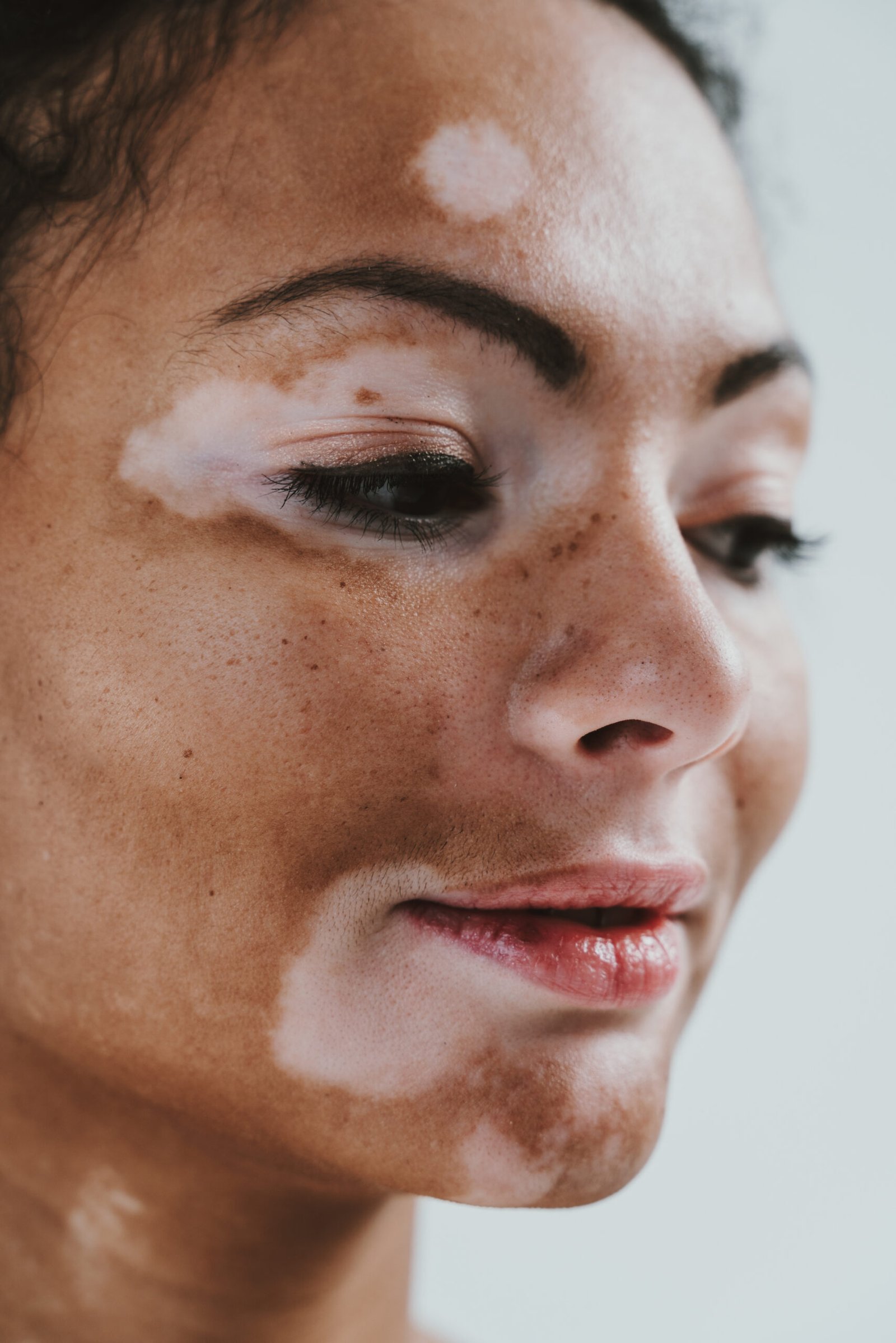
Hyperpigmentation is not a single condition. It is a category of disorders unified by the same visible outcome — excess melanin in localised areas — but driven by entirely different underlying mechanisms. Treating without accurate diagnosis produces no result, or in patients with deeper skin tones, an adverse one.
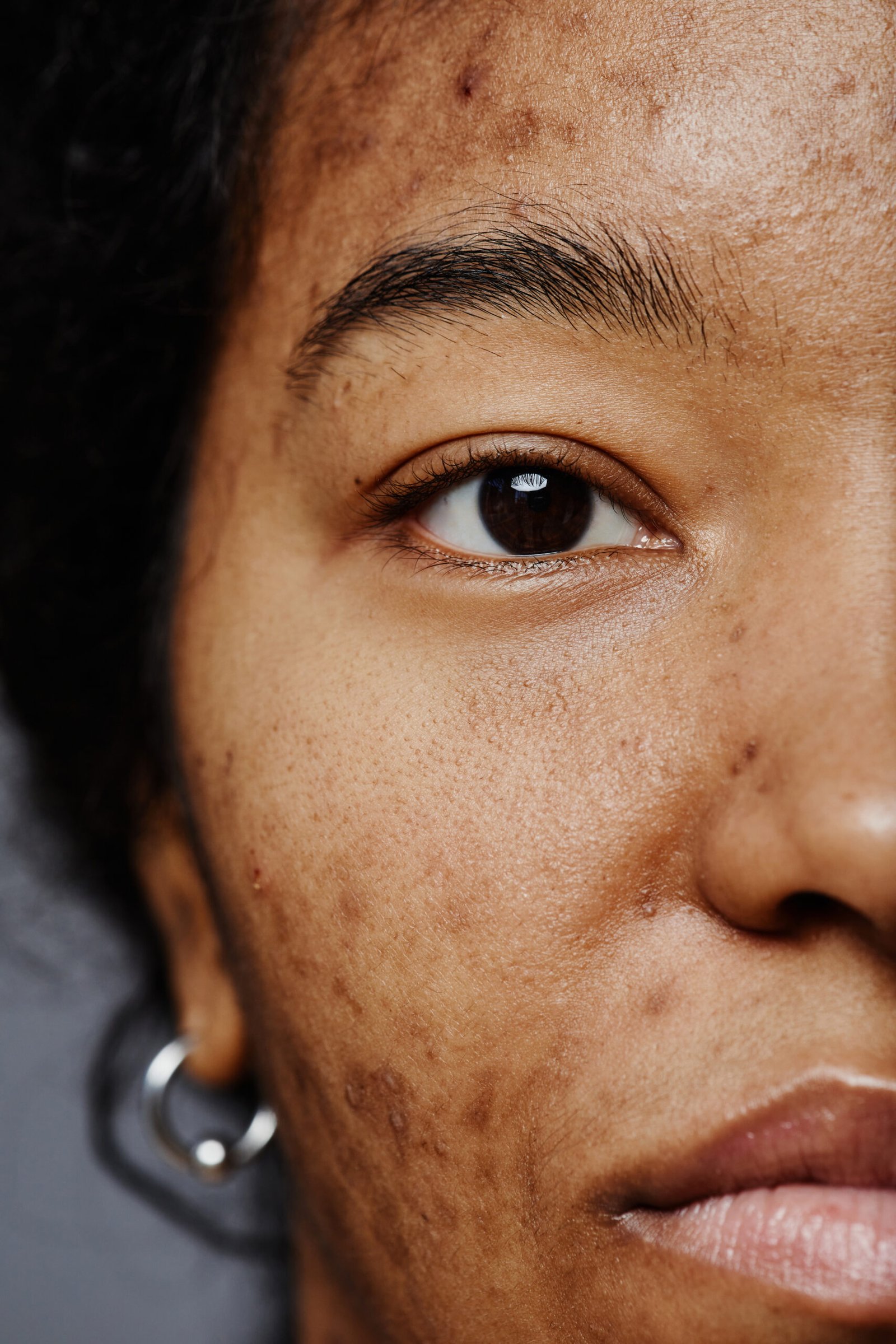
Solar lentigines (age spots, sun spots) are UV-induced, epidermal in depth, and highly responsive to laser treatment. Melasma is hormonally driven with dermal pigment involvement — it is a chronic condition requiring ongoing management, not a one-time treatment. Post-inflammatory hyperpigmentation (PIH) follows skin injury or inflammation from acne, eczema, or procedures, and responds to prescription topicals and peels. Freckles are genetic and UV-amplified, and clear well with laser across appropriate skin types.
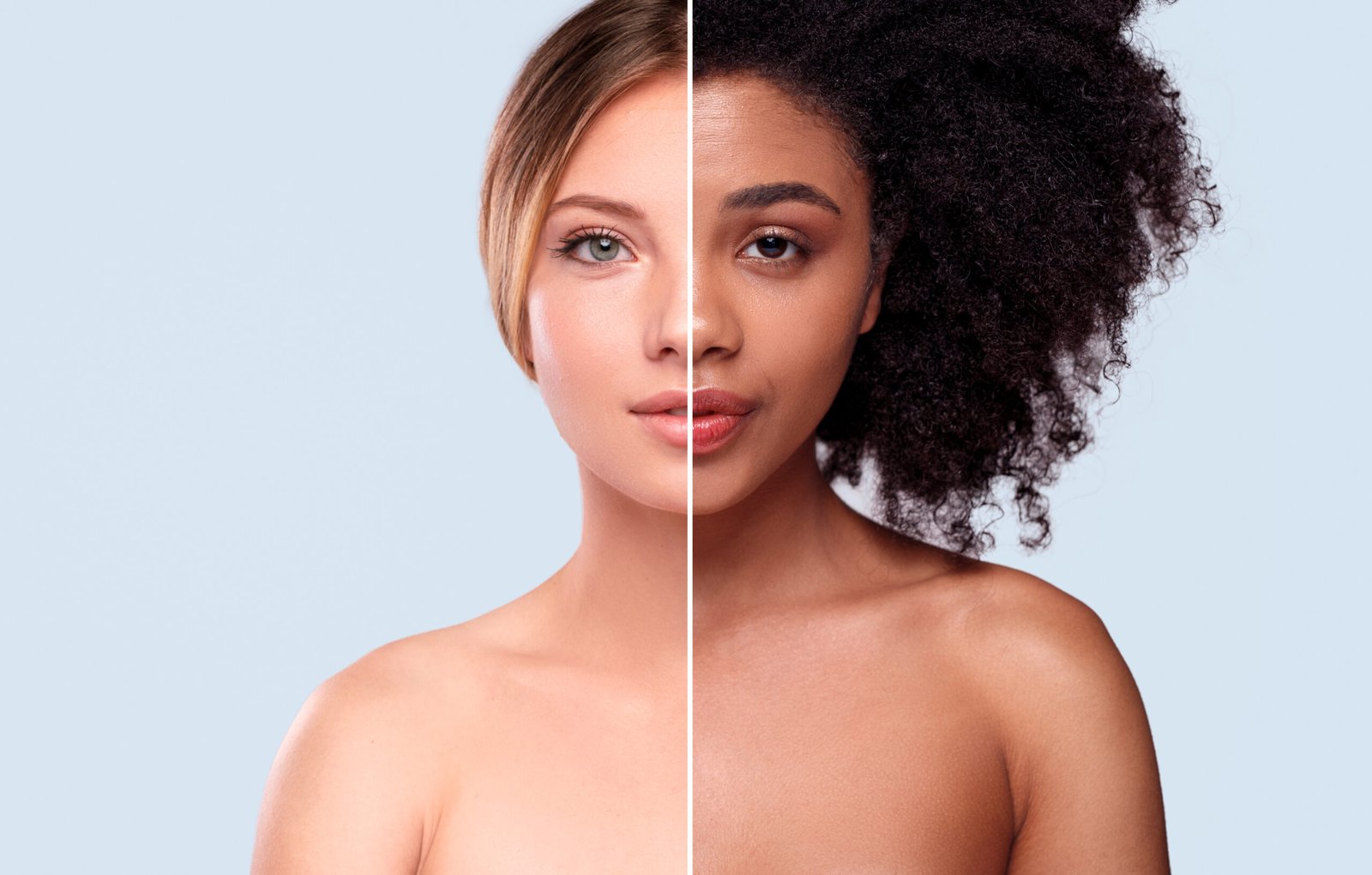
At Couture Dermatology, every pigmentation programme begins with Fitzpatrick skin type classification and identification of the pigmentation type before any laser energy level or modality is chosen. No protocol begins without a diagnosis.
How Your Pigmentation
Protocol Is Designed
Every hyperpigmentation programme at Couture Dermatology begins with diagnosis — not treatment selection. Understanding the pigmentation type, skin tone, and underlying trigger determines everything that follows.
Pigmentation Assessment
Your board-certified FAAD dermatologist evaluates the type, depth, and distribution of pigmentation. Fitzpatrick skin type is determined to guide safe laser parameter selection. The underlying stimulus — UV, hormonal, inflammatory — is established. No treatment is selected before this assessment is complete.
Included at every visitPreparation
For laser sessions, topical anaesthetic is applied and given full time to take effect. Pre-treatment topical priming — hydroquinone or retinoid — is prescribed in the weeks before laser for melasma and deeper skin types to reduce melanocyte reactivity before the session. Chemical peel sessions require minimal preparation.
15–20 minutesTreatment Delivery
Laser energy is delivered in systematic passes — parameters adjusted for the pigmentation type, depth, and confirmed skin type. For melasma and deeper skin tones, lower fluence and longer wavelengths protect against paradoxical pigmentation. Chemical peels are applied with controlled contact time. Sessions take 20–45 minutes.
20–45 minutesRecovery & Maintenance
After laser, treated spots darken and shed over 7–14 days — strict SPF 50+ is mandatory immediately after. Chemical peels produce 3–7 days of peeling. Prescription topical protocols begin or resume during recovery. Maintenance sessions are scheduled based on pigmentation type — more frequently for melasma, less so for cleared solar lentigines.
7–14 days post-laserThe Right Treatment
for Your Pigmentation Type
Hyperpigmentation treatment is not one protocol applied to all discolouration — it is the selection of the appropriate modality for the specific pigmentation type, depth, and skin tone.
Solar Lentigines · Age Spots · Sun Spots
Laser Resurfacing & IPL
UV-induced solar lentigines are the most treatable form of hyperpigmentation — epidermal in depth, sharply demarcated, and highly responsive to laser and IPL. Targeted laser energy is absorbed selectively by melanin in pigmented cells; the cells undergo photothermal disruption and are cleared by the body's immune system over 7–14 days as treated spots darken and shed. Q-switched lasers (Nd:YAG, alexandrite) are selective for melanin and appropriate across a wider range of skin types. Fractional laser resurfacing addresses spots while simultaneously improving surrounding skin quality. Most patients achieve significant clearance in 1–3 sessions.
Melasma · Hormonal Pigmentation
Melasma Management Protocol
Melasma requires a management approach rather than a one-time treatment. The hormonal stimulus driving melanocyte overactivation must be addressed alongside any clinical treatment of existing pigmentation. Prescription topical depigmentation agents — hydroquinone 4%, tranexamic acid, azelaic acid, kojic acid — inhibit tyrosinase, the enzyme responsible for melanin synthesis. Laser parameters are set conservatively for melasma, as the condition is prone to paradoxical darkening if treated aggressively. Strict broad-spectrum SPF 50+ is non-negotiable and the single most important ongoing management step.
PIH · Post-Acne Marks · Peels
PIH & Chemical Peel Protocol
Post-inflammatory hyperpigmentation — the dark marks left after acne, eczema, or skin injury — is epidermal to superficial-dermal in depth and fades with time, though treatment accelerates clearance significantly. Superficial to medium-depth chemical peels (glycolic acid, salicylic acid, TCA) accelerate epidermal cell turnover, progressively shedding pigmented cells. For darker skin tones, peels are preferred over aggressive laser for PIH as they carry a lower risk of paradoxical hyperpigmentation. Prescription topicals — azelaic acid, tranexamic acid, niacinamide — are used in parallel to suppress ongoing melanocyte activity.
All Types · Prescription Topicals · Maintenance
Medical-Grade Depigmentation
Prescription topical depigmentation agents are the foundation of every hyperpigmentation programme — used as standalone treatment for mild cases and as essential maintenance for all clinical treatments. Hydroquinone 4% is the most clinically validated depigmenting agent. Tranexamic acid interrupts the keratinocyte-melanocyte signalling pathway implicated in melasma. Azelaic acid and kojic acid provide alternative tyrosinase inhibition with a lower side-effect profile. Medical-grade vitamin C and niacinamide are antioxidant-brightening adjuncts. Daily broad-spectrum SPF 50+ is prescribed to every pigmentation patient — UV exposure is the primary trigger for all forms of recurrence.
Even Skin Tone.
Clinically Achieved.
Hyperpigmentation correction addresses tone and clarity — not lightening the skin itself, but clearing the excess melanin that reads as discolouration. Each of these outcomes develops progressively after each session.
Age Spots & Sun Spots Cleared
Solar lentigines respond with high clearance rates to laser treatment. Treated spots darken and shed over 7–14 days, revealing clearer skin beneath. Most patients achieve significant to near-complete clearance in 1–3 sessions.
Melasma Progressively Faded
Melasma fades progressively across a course of treatment — never in a single session, always with ongoing management. Conservative laser or peel sessions combined with prescription topicals and daily SPF 50+ produce cumulative, lasting improvement.
Post-Inflammatory Marks Resolved
Dark marks from acne or eczema that persist for months without treatment are accelerated by peels and prescription topicals targeting melanocyte activity. Where active acne is present, the underlying condition is addressed simultaneously to prevent new PIH formation.
Safe Across All Skin Tones
Every protocol at Couture Dermatology is calibrated for the patient's confirmed Fitzpatrick skin type. Darker skin tones receive appropriately conservative treatments — no protocol designed for lighter skin is applied to deeper tones without adjustment.
Skin Clarity That Holds
Solar lentigines cleared by laser do not return at the same sites. Melasma is managed with a programme that minimises recurrence. The clarity achieved through a well-designed protocol at Couture Dermatology holds — provided ongoing sun protection is maintained.
"Hyperpigmentation is not a skincare problem. It is a clinical one — and it requires clinical diagnosis before clinical treatment."
non-negotiable
Board-Certified FAAD
Every pigmentation protocol is designed and delivered personally by a board-certified Fellow of the American Academy of Dermatology
Fitzpatrick Skin Typing
Every patient's skin type is clinically assessed before laser parameter selection — the safety step that prevents paradoxical hyperpigmentation in deeper skin tones
Diagnosis Before Treatment
Pigmentation type, depth, and underlying cause established before any modality is selected — not assumed from appearance alone
9735 Wilshire Blvd, Suite 216
Beverly Hills, CA 90212 · (310) 444-0946 · Mon–Fri 9 AM–6 PM
Every Pigmentation Type.
Addressed Correctly.
Every pigmentation type has a different cause, depth, and treatment response. Addressing the wrong type with the wrong modality produces no result — or an adverse one in deeper skin tones.
Solar Lentigines
UV-induced age spots and sun spots — epidermal, sharply demarcated, and highly responsive to laser treatment with 1–3 sessions for significant clearance
Melasma
Hormonal, symmetric brown patches on the forehead, cheeks, and upper lip — managed with prescription topicals, conservative laser, and strict daily SPF 50+ to suppress recurrence
Post-Inflammatory Hyperpigmentation
Dark marks after acne, eczema, or skin injury — accelerated with chemical peels and prescription topicals targeting ongoing melanocyte activity
Freckles (Ephelides)
Genetic, UV-amplified superficial pigmentation — cleared effectively with laser and IPL with excellent clearance rates across suitable skin types
Uneven Skin Tone
Generalised dullness and tonal inconsistency from cumulative UV exposure — improved with fractional laser, medical-grade brightening topicals, and ongoing SPF
Birthmarks & Other Pigmentation
Congenital and acquired pigmented lesions assessed at consultation — appropriate lesions treated with laser; suspicious lesions referred for dermatoscopic evaluation before any treatment begins
Is Hyperpigmentation
Correction Right for You?
What hyperpigmentation treatment cannot guarantee
Melasma is a chronic condition with no permanent cure — it can be significantly improved and well-managed, but the hormonal stimulus means recurrence is likely without ongoing SPF management and maintenance. Patients who cannot commit to daily broad-spectrum SPF 50+ are poor candidates for laser melasma treatment, as UV exposure will retrigger pigmentation rapidly.
During the consultation, your dermatologist will be direct about what treatment can realistically achieve for your specific pigmentation type — and how much commitment ongoing maintenance requires.
Extend & Protect
With These Treatments
Hyperpigmentation correction addresses tone and clarity. These treatments extend and complement the result — addressing skin structure, surface quality, and pigmentation in the surrounding zones.
Lasers & Lights
Age Spot Removal
Dedicated laser and IPL clearance for UV-induced age spots on the face, hands, and chest — treating all sun-exposed zones with a coordinated protocol for a consistent result across the whole body.
Explore age spot removal →Lasers & Lights
Laser Skin Resurfacing
Fractional laser for skin surface quality — texture, tone, pore refinement, and fine lines addressed in the same session or sequenced 4–6 weeks after pigmentation clearance for a comprehensive result.
Explore laser resurfacing →Skin Treatments
Microneedling
Collagen induction for skin texture and surface quality — a compatible complement to pigmentation treatment that improves skin quality between laser sessions with no significant laser downtime.
Explore microneedling →Injectables
Wrinkle Softening
Once skin tone is corrected and even, wrinkle softening addresses the structural dimension — neuromodulators, fillers, and laser for expression lines, static folds, and skin laxity.
Explore wrinkle softening →Clear Skin Begins
With the Right Diagnosis.
Uneven skin tone has a cause — and that cause determines which treatment will work. Your board-certified FAAD dermatologist classifies your skin type, identifies your pigmentation type and depth, and establishes the underlying trigger before recommending any laser setting, peel strength, or prescription. No protocol begins without accurate assessment.
Frequently
Asked Questions
Direct answers to the questions patients most commonly bring to their pigmentation consultation — on what causes discolouration, how it is treated, and what to realistically expect.
Hyperpigmentation occurs when melanocytes — the skin's pigment-producing cells — are stimulated to produce excess melanin in localised areas. The stimulus varies by type: UV radiation triggers solar lentigines and worsens freckles; hormonal fluctuations from pregnancy or oral contraceptives trigger melasma; inflammation from acne, eczema, or skin injury triggers post-inflammatory hyperpigmentation (PIH). Each type has a distinct distribution pattern, pigment depth, and treatment response — which is why accurate diagnosis before treatment is essential.
Melasma is a hormonally-driven, chronic pigmentation condition characterised by symmetric patches on the forehead, cheeks, upper lip, and temples — triggered or worsened by UV exposure, pregnancy, or hormonal contraceptives. Unlike solar lentigines or PIH, melasma has dermal pigment involvement and a persistent hormonal stimulus that makes it prone to recurrence. Management requires treating existing pigmentation and addressing the ongoing trigger — primarily through strict daily SPF 50+, sometimes alongside hormonal management.
In patients with deeper skin tones (Fitzpatrick types IV–VI), laser treatment performed at inappropriate settings can trigger post-inflammatory hyperpigmentation — worsening the condition. This is why Fitzpatrick skin type classification before any laser selection is a non-negotiable first step. At Couture Dermatology, energy parameters are adjusted for each patient's confirmed skin type. For deeper skin tones, Q-switched lasers, chemical peels, and topical protocols are often preferred over ablative fractional laser.
Solar lentigines often respond in 1–3 laser sessions. Post-inflammatory hyperpigmentation improves progressively over 4–12 weeks with topical treatment, sometimes combined with 1–2 peel sessions. Melasma requires the most sustained programme — typically 3–6 laser or peel sessions combined with ongoing prescription topicals and daily sun protection. Your dermatologist will outline the full programme at consultation.
Laser resurfacing produces 5–10 days of redness, darkening of treated spots, and gradual shedding of the surface layer. Chemical peels produce 3–7 days of peeling and sensitivity. Prescription topical-only protocols have no downtime. After any treatment, strict broad-spectrum SPF 50+ is required daily — UV exposure on recently treated skin can trigger new pigmentation and must be avoided.
Darker skin tones (Fitzpatrick IV–VI) require conservative, carefully calibrated treatment. Aggressive settings appropriate for lighter skin can trigger paradoxical hyperpigmentation in deeper tones. At Couture Dermatology, treatment for deeper skin tones prioritises Q-switched Nd:YAG laser, superficial chemical peels, and prescription topical agents — tranexamic acid, kojic acid, azelaic acid, niacinamide. The goal is even, clear skin tone, achieved through a protocol calibrated for the individual's melanin baseline.